What Is a Tuck Box?
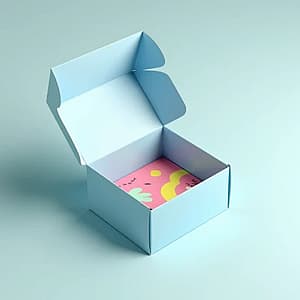
A tuck box (also called a tuck-end carton or folding carton) is a one-piece paperboard box with flaps that fold into the body of the box to close. Because the closure relies on friction rather than glue, the box can be shipped flat, stored in a small footprint, and erected by hand or on an automated packing line in moments. This flat-ship design makes tuck boxes dramatically more cost-efficient to transport and store than pre-formed rigid boxes.
Tuck boxes are used across custom packaging for cosmetics, dietary supplements, food and beverage items, jewelry, candles, electronics accessories, and pharmaceutical products. If you buy a retail product that comes in a paperboard carton, the odds are you are holding a tuck box.
Anatomy of a Tuck Box
Understanding the parts of a tuck box makes it easier to talk to your packaging supplier. The main structural elements are:
- Front and back panels — the largest printable surfaces, reserved for your logo, product name, and hero image.
- Side panels — carry ingredient details, barcodes, and regulatory copy.
- End flaps (tucks) — fold into the body of the box to close it.
- Dust flaps — small flaps that prevent dust from entering at the corners and help the box hold its shape.
- Score lines and creases — pre-folded grooves that ensure crisp, repeatable folds at the same spot on every box.
Every dimension is decided before die-cutting. The dieline is the engineering drawing that lays the flat box out on your chosen board — and a free custom dieline is included with every ThePackHive order.
Straight Tuck vs. Reverse Tuck vs. Auto-Lock Bottom
The single most important structural decision is flap direction. There are three tuck configurations worth understanding:
- Straight Tuck End (STE): both end flaps tuck in the same direction. The front panel is completely smooth with no visible raw edges, which is why STE is the default for premium shelf products where the front face carries the design. STE is slightly more expensive per unit at high volume because the layouts do not nest as efficiently on the printing sheet.
- Reverse Tuck End (RTE): the top and bottom flaps tuck in opposite directions. The opposing tension presses the flaps against each other, making the box significantly more resistant to popping open during transit and stacking. RTE uses paperboard more efficiently — the dielines nest together and can reduce material waste by up to 15–20% at scale — so it is the standard choice for high-volume automated packing lines and any product that will be shipped or handled roughly.
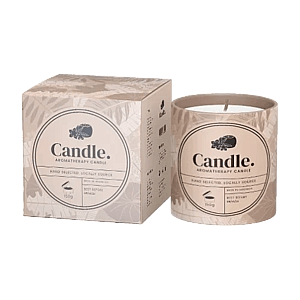
- Auto-Lock Bottom (tuck-top): the bottom locks automatically as the box is erected, adding structural strength that handles heavier products such as candles, jars, and bottles. The top is a manual tuck. Auto-lock bottoms add a small per-unit cost but are worth it whenever product weight threatens a simple tuck closure.
Materials: How to Choose the Right Board Grade
The board grade determines how your box looks, how well it protects the product, and how much it costs. Four options cover nearly every project:
- SBS (Solid Bleached Sulfate): the bright-white, clay-coated board that produces the sharpest, most vivid printing. Ideal for cosmetics, supplements, and premium retail. Standard grades are 14 pt. to 18 pt.; thicker board supports heavier products and feels more substantial.
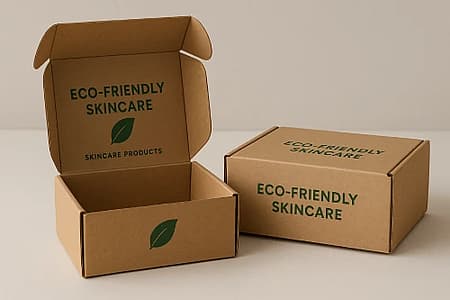
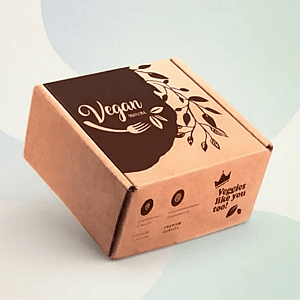
- Kraft: natural brown board with an earthy, eco-friendly aesthetic. Prints well with CMYK but the brown base shifts light colors, so design with kraft in mind. Perfect for organic food brands, coffee, artisan products, and craft packaging.
- Recycled board: post-consumer fiber with an environmental story. FSC-certified options are available for brands that want verifiable sustainability claims on pack.
- Corrugated (E-flute): a thin fluted layer added for strength. When a tuck box must survive rougher transit or carry slightly heavier loads, E-flute provides rigidity while keeping the folding-carton format.
Food and supplement products should always use food-grade board. A simple rule: the heavier the product, the higher the point count and the more the bottom needs structural help (auto-lock, thicker board, or corrugation).
Printing, Coating, and Finishing That Elevates the Box
A tuck box is 60% structure and 40% surface. Your printing choices control how the final box feels in hand:
- CMYK offset: full-color process printing for photographic artwork, gradients, and rich designs. The default for most retail boxes.
- Pantone/PMS: spot color matching so your brand color is repeatable order after order — critical for logos and packaging consistency.
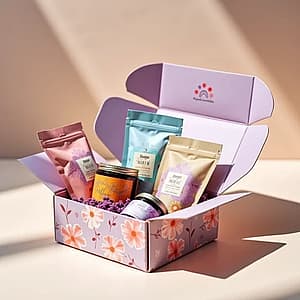
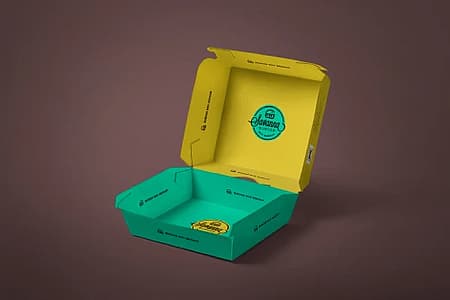
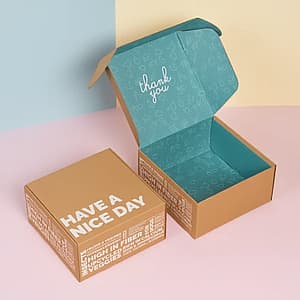
- Inside printing: print on the interior of the box for an unboxing surprise, hidden branding, or instruction copy. Many brands print the inside for subscription and gift packaging.
- Coatings: aqueous gloss and matte are cost-effective protection; UV coating adds scuff resistance; soft-touch lamination adds a premium velvety feel that is the fastest way to signal quality.
- Specialty finishing: foil stamping, embossing, debossing, and spot UV catch the light on shelf and strongly support a premium price point.
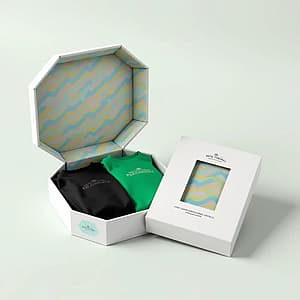
- Die-cut windows: a clear window lets the customer see the product. Windows work best on straight tuck boxes, where the tuck flap does not interfere with the film.
Choosing the Right Size and Getting the Fit Right
Measuring for a tuck box is straightforward: length x width x height of your product,
plus clearance. Add roughly 1/8" of tolerance to each dimension so the product slips in without forcing the box out of square. Free-standing products that shift in transit benefit from a die-cut insert or pad insert that holds them firmly.
Ask your supplier for a 3D mockup before any order. A flat digital proof shows artwork but not structural fit; a folded sample shows whether the flaps close cleanly, whether the box pops open under pressure, and whether the front panel stays flat. ThePackHive includes a free 3D mockup and offers physical samples on request — we strongly recommend a folded sample for any run over 1,000 boxes.
Which Industries Use Tuck Boxes (and What They Need)
- Cosmetics & beauty: lipstick, serum, and skincare cartons lean on SBS board, soft-touch lamination, and full-surface printing for a premium shelf presence.
- Food & beverage: tea, chocolate, snacks, and coffee need food-grade board; grease-resistant coating keeps oils from bleeding through.
- Pharmaceutical & supplements: regulatory copy, barcodes, and child-resistant considerations require disciplined panel architecture and pharmaceutical-compliant board grades.
- CBD & wellness: combine compliance labeling with premium finishes; auto-lock bottoms handle tincture bottles and jars.
- Retail & ecommerce: product boxes travel inside shippers; a clean front panel and easy assembly speed up fulfillment.
How Much Do Custom Tuck Boxes Cost?
Pricing depends on four factors: board grade, size, print complexity, and
quantity. The biggest cost lever is units per sheet — how many boxes fit on each large sheet of board before die-cutting. Reverse tuck boxes nest more efficiently and cost less at volume. Upgrades like foil, embossing, windows, and soft-touch lamination add a small per-box cost that is usually justified by the price you can charge for the finished product.
There are also hidden costs to look for in supplier quotes: die charges, plate charges, and proofing fees. ThePackHive includes the custom dieline, digital proof, and 3D mockup with every order — and you pay nothing extra for your own final box that performs. Bulk orders beyond 100 boxes receive automatic volume tier pricing.
Tuck Boxes vs. Other Packaging Formats
Tuck boxes are the right answer most of the time, but not always. A quick alignment:
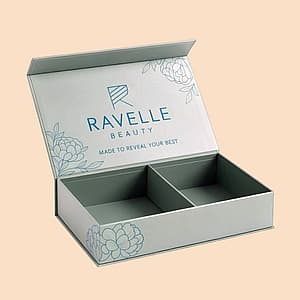
- Tuck box vs. rigid box: rigid boxes (grayboard hinged-lid) are heavier, more expensive, and do not ship flat, but they convey maximum luxury. Use them for small premium gift lines; use tuck boxes for everything else price-sensitive. Compare in our custom rigid boxes guide.
- Tuck box vs. corrugated mailer: mailers are shipping containers first and branding second. If your product only reaches customers through ecommerce and needs transit strength, a custom mailer
box may fit. If it sits on a shelf, tuck boxes win on print quality and cost.
- Tuck box vs. box with lid (two-piece): two-piece boxes add elegance and strength for heavier products. See our
custom two-piece boxes.
When your product is carried in a bag or gable format, tuck boxes can still travel inside for gift sets; pairing a gift tuck box with a branded
custom shopping bag is a popular retail combo.
Sustainability: Eco-Friendly Tuck Boxes
Tuck boxes are among the most recyclable packaging formats because they are mono-material paperboard. To maximize recyclability: choose uncoated or aqueous-coated board, avoid plastic windows (use recycled PET or omit them), and prefer soy-based inks. Recycled and FSC-certified kraft board provides a verifiable sustainability story that eco-conscious customers now expect.
Common Tuck Box Mistakes to Avoid
- Choosing STE when the box will be shipped. Straight tuck closures pop open more easily under handling stress. If the box travels through a fulfillment center, switch to RTE or add a seal.
- Too-tight sizing. Forcing a product into a box that is exactly its dimensions bulges the side walls and distorts the front panel.
- Ignoring print direction. Artwork near the tuck flap can fold upside-down if orientation is not planned against the dieline.
- Skipping a folded sample. A flat proof cannot show how the box behaves when erected. Ask for a folded sample on any large or new run.
- Not confirming the supplier's default style. Some factories standardize on RTE; confirm your exact style in writing on the quote rather than assuming.
Why Order Tuck Boxes from ThePackHive?
Our process strips out the friction that makes packaging feel risky. Every order includes a free custom dieline, free digital proof with a 3D mockup, and in-house design assistance. Production runs 15–18 business days with rush availability, shipping is free across the USA, and the minimum order is a friendly 100 boxes — low enough for a startup launch, scalable enough for retail chains. Get your free tuck box
quote today and see how fast a properly engineered box comes together.